




10 November is World Science Day for Peace and Development, a day that recognises the role science plays in building sustainable communities and helping us understand the world we share.
For schools, it’s also a good moment to ask a simple question: where do students actually do science? Classrooms give them the foundations. But a lot of scientific thinking starts with something much simpler. A child notices something, wonders about it and goes looking for an answer.
Science you can see, touch and explore
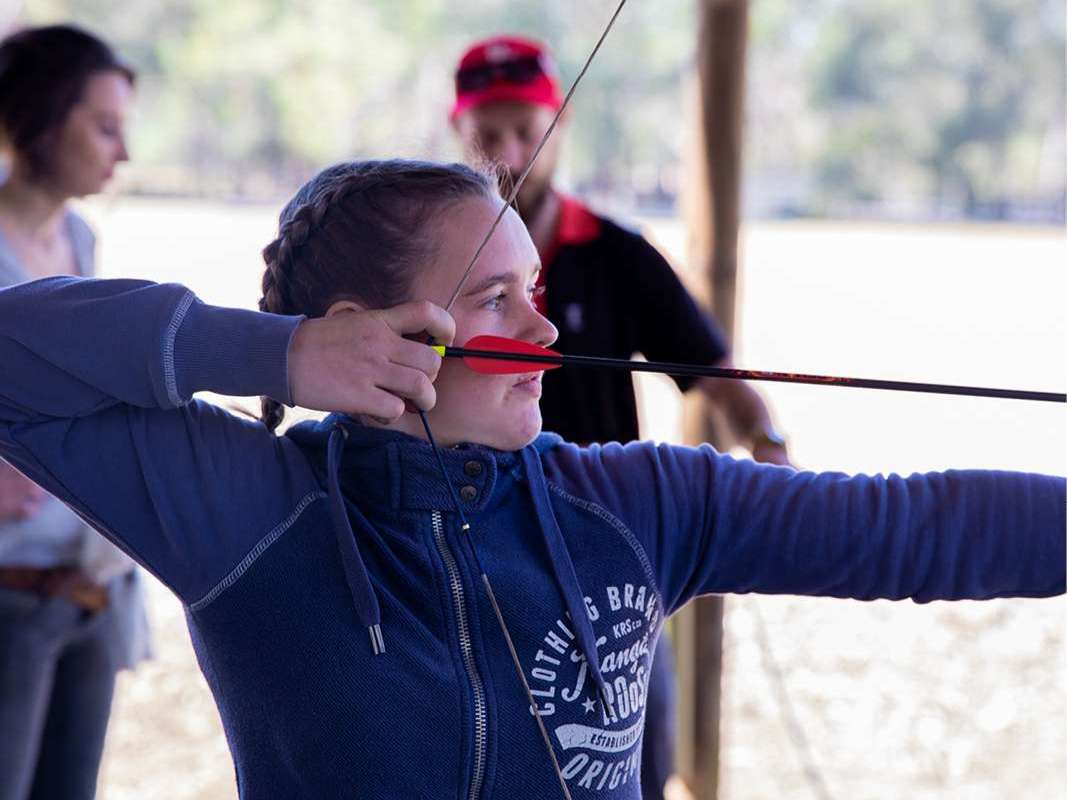
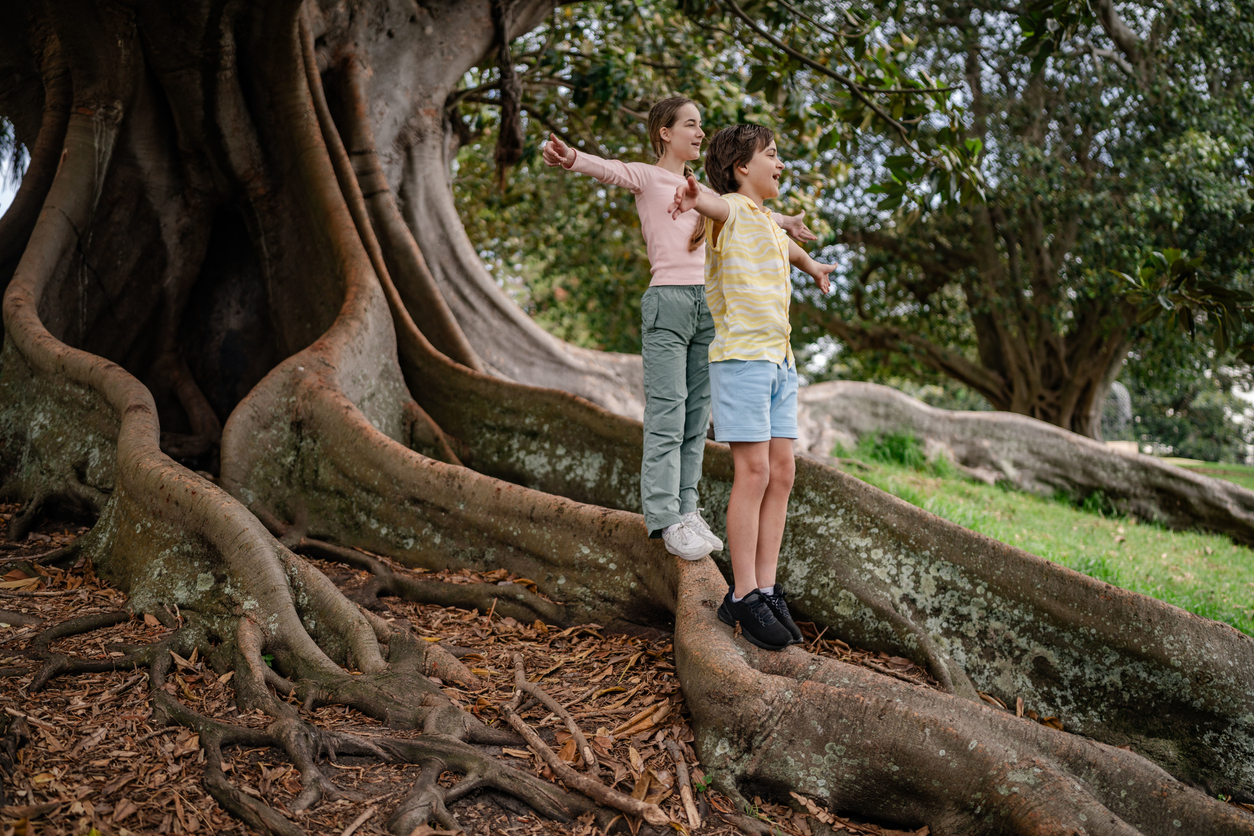
At Camp Yarramundi, science happens in the bush. Students observe ecosystems up close, look at how living things depend on each other and think about how people affect the environment around them. Concepts from the curriculum stop being diagrams on a page and become things they can stand in the middle of.
Why outdoor learning works
Science is about asking questions, testing ideas and paying attention. Being outdoors makes all three easier.
When students explore bushland, take part in environmental activities and work through sustainability challenges, they practise critical thinking, problem-solving and investigation, skills that carry across every STEM subject. They also start to see their own part in looking after the natural world.
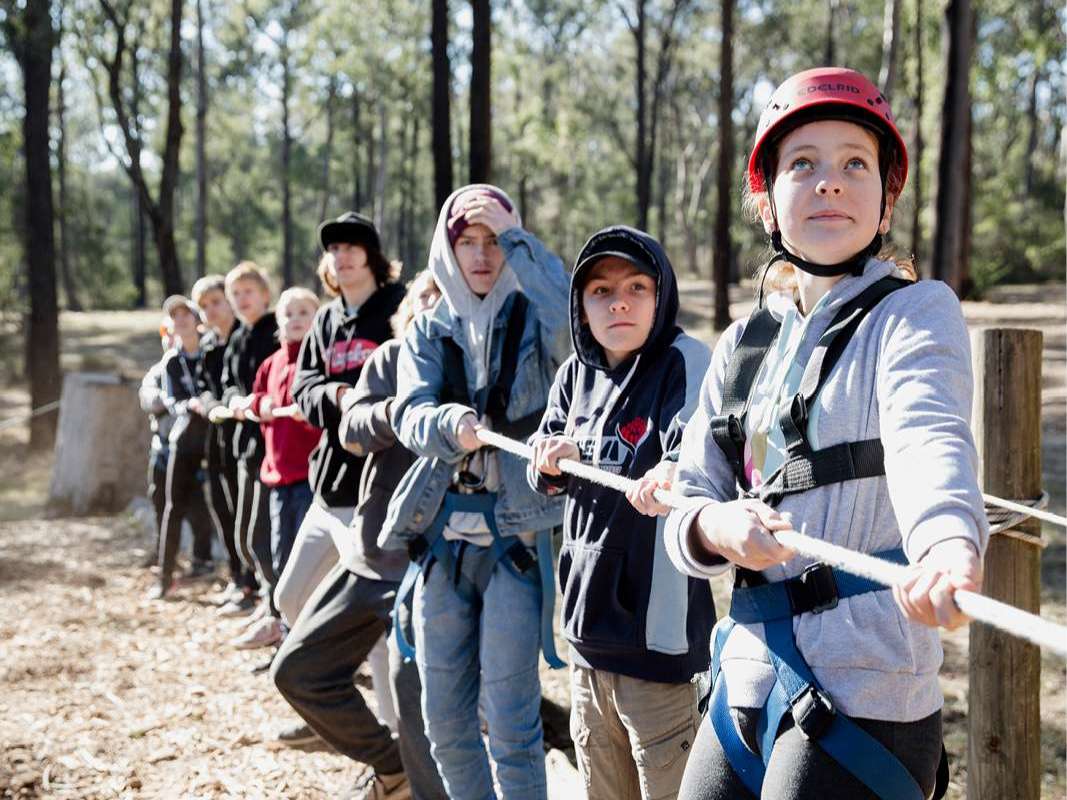
Our school programs are built to challenge students, grow their confidence and get them working together. Shared experiences in nature tend to do that well, and the resilience and teamwork students build here are the same ones they’ll need for the problems waiting for them later.
The next generation of changemakers
Science isn’t only about discovery. It’s about using what we know to make things better.
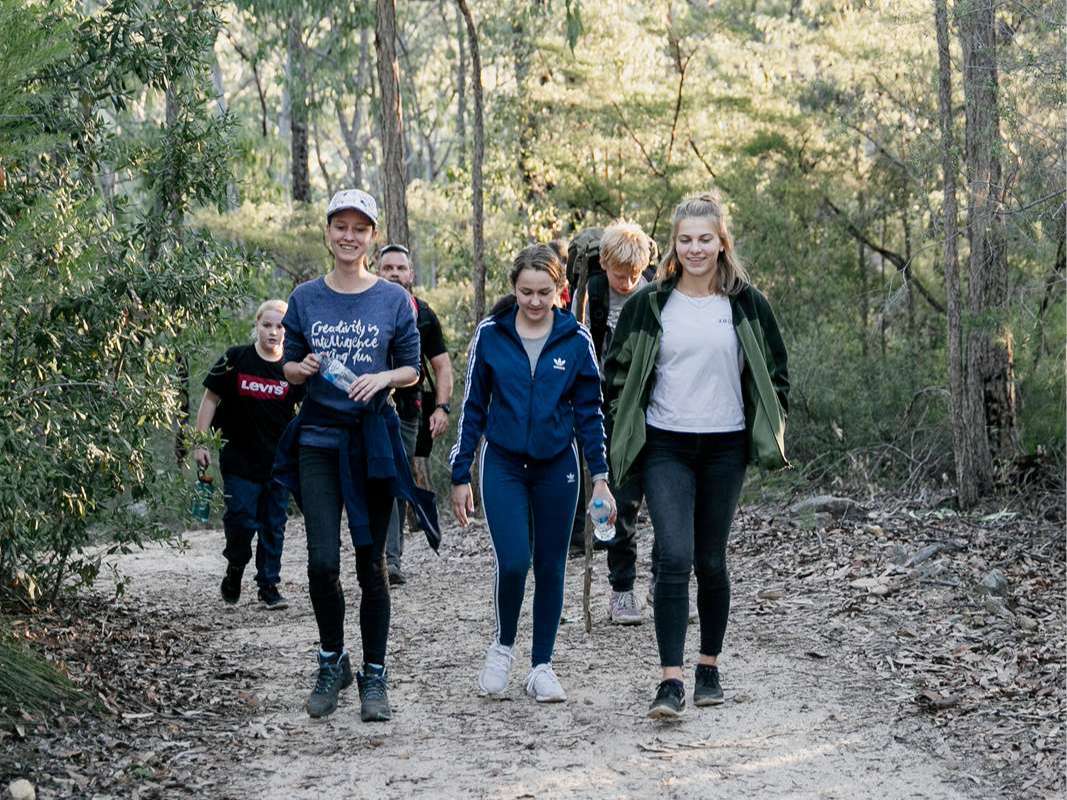
Taking learning outdoors helps students connect scientific thinking to conservation, sustainability and community wellbeing. They leave more curious, more willing to make informed decisions and more ready to take part in shaping the future.
Some of the best lessons happen outside the classroom. At Camp Yarramundi, we see it every day.
Bring science to life at Camp Yarramundi
This World Science Day, think about how outdoor education could support your school’s learning goals. If you’re looking for an excursion or camp that connects curriculum with time in nature, we’d love to talk.