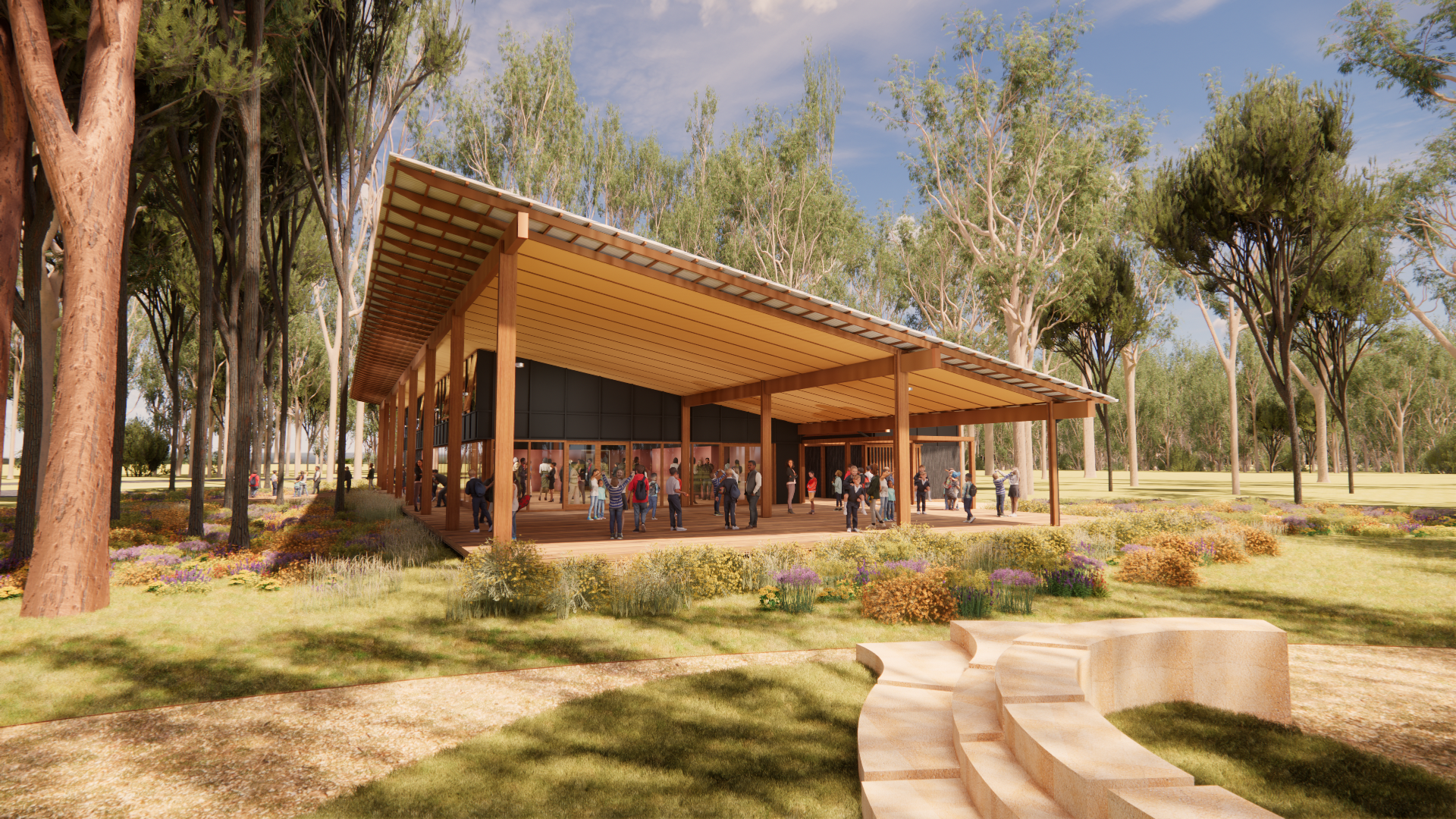





School camps are no longer viewed as standalone recreational experiences. Increasingly, schools are looking for programs that support curriculum delivery, student wellbeing, personal development and community connection. As Camp Yarramundi prepares to reopen for the 2028 school year, now is the ideal time to begin considering how outdoor learning could fit into future teaching and learning plans.
The strongest excursions are planned with purpose. Early planning allows schools to align camps with teaching programs, leadership initiatives, wellbeing strategies and assessment schedules. It also provides greater flexibility when coordinating transport, staffing, budgets and family communication.
A high-quality camp experience can support multiple learning priorities at once. Students apply classroom knowledge in authentic settings, develop resilience through new challenges, strengthen their ability to work collaboratively and build confidence as independent learners.
Outdoor learning experiences are particularly effective because they engage students emotionally as well as academically. When students investigate an ecosystem, solve a group challenge or navigate an unfamiliar environment, learning becomes memorable. The experience creates meaningful reference points that teachers can revisit long after students return to school.
As redevelopment continues, Camp Yarramundi is being designed to create opportunities for inquiry, adventure, wellbeing and connection. Schools that start planning now will be well positioned to take advantage of those opportunities when bookings open.
Why Movement Matters: Outdoor Learning and Student Wellbeing
Movement plays an important role in how young people learn, connect and grow. While physical activity supports health outcomes, its impact extends far beyond fitness. Research consistently links active participation to improved confidence, resilience, teamwork and engagement.
Outdoor education offers a different kind of learning environment. Students move with purpose, make decisions in real time and experience the consequences of those decisions in practical situations. Activities become opportunities to develop communication, leadership and self-management skills.
Unlike traditional sporting environments, outdoor programs often create space for a wider range of students to succeed. A student who is quiet in the classroom may emerge as a thoughtful leader during a team challenge. Another may discover newfound confidence by achieving something they initially thought was beyond their capability.
The most effective programs combine physical activity with structured reflection. Students are encouraged to think about how they approached challenges, managed setbacks and supported others. These conversations help translate experience into lasting learning.
For schools seeking meaningful ways to support wellbeing and personal development, outdoor learning provides an environment where growth is visible, authentic and memorable.
Where Curiosity Leads: Science Learning Beyond the Classroom
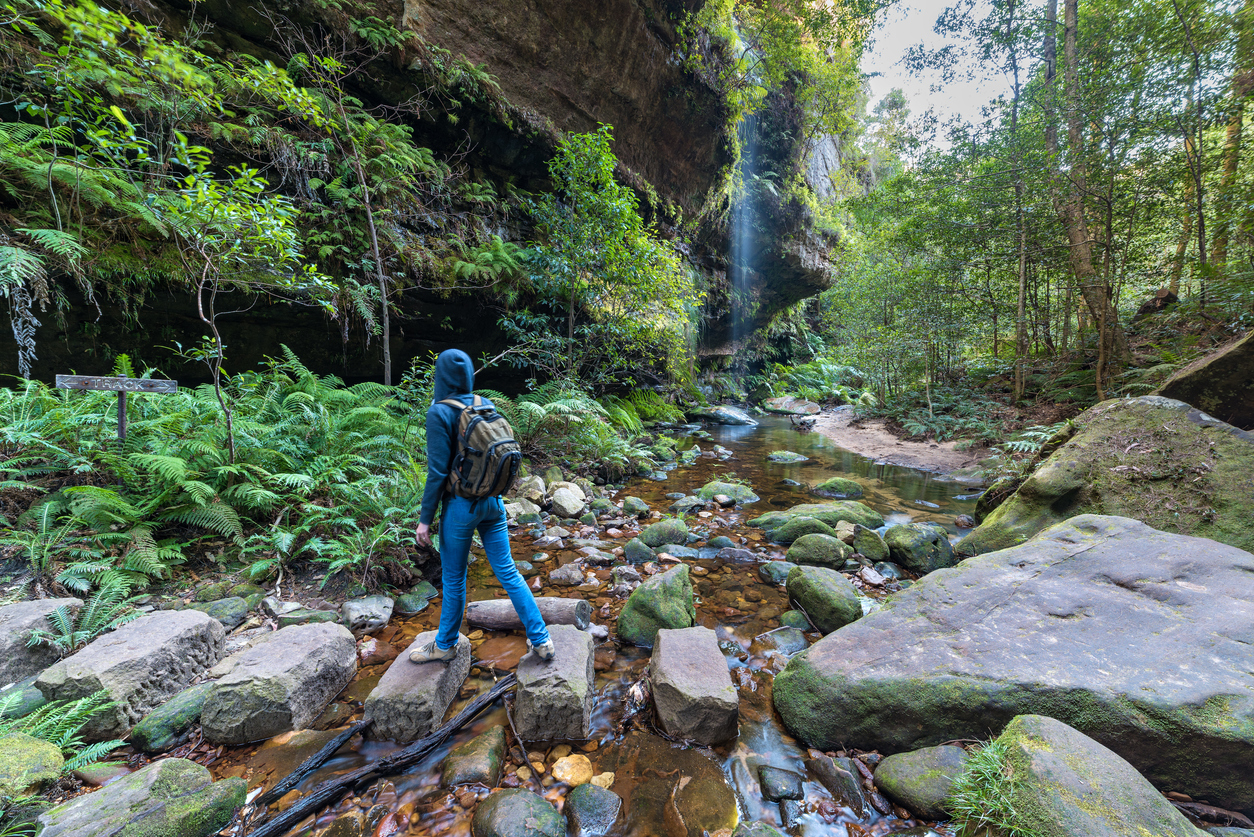
Science is ultimately about asking questions, gathering evidence and making sense of the world. Outdoor environments provide an ideal setting for this process because they place students in direct contact with the phenomena they are investigating.
Natural landscapes transform abstract concepts into observable systems. Food webs become visible, environmental change becomes measurable and biodiversity becomes something students can investigate firsthand rather than simply reading about in a textbook.
Field-based learning encourages authentic scientific inquiry. Students can collect data, make observations, identify patterns and evaluate evidence. These experiences develop the critical thinking, investigative and analytical skills that sit at the heart of science education.
Activities such as habitat surveys, water testing, environmental monitoring and species identification help students connect scientific understanding with real-world issues. They also encourage curiosity, one of the most valuable drivers of long-term learning.
When students experience science in action, they gain a deeper understanding of both the content and the process of scientific investigation. That makes outdoor learning a powerful complement to classroom teaching.
Beyond the Classroom: Building Leadership Through Outdoor Challenge
Leadership is often associated with formal roles, but some of the most valuable leadership growth occurs when students face unfamiliar situations alongside their peers.
Outdoor challenge activities create opportunities for students to practise decision-making, communication and collaboration in authentic contexts. Success rarely depends on individual achievement alone. Instead, students learn how to contribute effectively to a team and support others towards a shared goal.
One of the most powerful aspects of camp-based leadership development is its ability to reveal potential that may not always be visible at school. Students who are not typically seen as leaders often thrive when given responsibility in a different environment.
Structured challenges encourage students to manage uncertainty, adapt to changing circumstances and reflect on their performance. These experiences help develop confidence while reinforcing the importance of empathy, resilience and collaboration.
For educators, camp programs provide valuable insights into student strengths. For students, they provide memorable opportunities to discover what leadership looks like in practice.
Contact us today to find out more about Camp Yarramundi.